
TRAVEL & TEACH ENGLISH IN MONTENEGRO
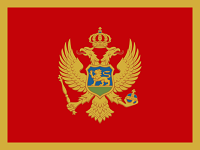
Teaching English in Montenegro offers a unique opportunity to immerse yourself in a stunning Balkan country with a rich cultural history and beautiful landscapes. Whether you’re teaching in the coastal city of Kotor or the capital of Podgorica, the demand for English teachers is growing, especially in the tourism and business sectors. With a relatively low cost of living, teachers can enjoy a comfortable lifestyle while earning enough to get by and save. As an English teacher in Montenegro, you’ll have the chance to help locals enhance their communication skills and open doors to global opportunities, all while exploring a country known for its mountains, beaches, and charming old towns. Montenegro is a country in Southeastern Europe located on the Adriatic Sea sharing borders with Serbia to the northeast, Bosnia and Herzegovina to the north, Kosovo to the east and Albania to the southeast, the Adriatic Sea and Croatia to the northwest, and a maritime boundary with Italy.
Regional Updates: English Teaching Demand in Montenegro
Montenegro continues to attract international visitors, investors, digital nomads, and seasonal workers, creating steady demand for English communication skills. English is especially valuable in tourism, hospitality, real estate, customer service, and international business. As the country strengthens its connections with European markets, employers increasingly look for staff who can communicate confidently with guests and clients from abroad.
For English teachers, opportunities are concentrated in Podgorica, the coastal cities of Budva, Kotor, Tivat, and Herceg Novi, and the northern university town of Nikšić. Private language schools are the most common employers, while international schools, summer programs, universities, companies, and tutoring agencies provide additional options. Demand is often strongest from September through June, when school-year courses begin, and again during the summer tourism season.
The market is competitive but accessible to qualified teachers. Many schools prefer instructors with a recognized TESOL, TEFL, or CELTA-style credential, classroom experience, and a professional attitude. Native English speakers may receive strong interest, but fluent non-native speakers with excellent pronunciation, advanced grammar knowledge, and recognized teaching training can also build successful careers. Teachers who can work with children, prepare students for examinations, or deliver business English may find particularly attractive opportunities.
Requirements for Foreign English Teachers
Requirements vary according to the employer, the teaching setting, and the teacher’s nationality. A university degree is commonly preferred and may be important when an employer is arranging legal work authorization. A recognized English-teaching certificate is also highly recommended, even for applicants with previous teaching experience. Schools may request references, a police or criminal-record check, proof of qualifications, a health certificate, and copies of passport documents.
Employers typically expect teachers to provide a professional CV, a short introduction, and sometimes a demonstration lesson or online interview. Academic documents may need certified translations, notarization, or apostilles, depending on the issuing country and the local authority handling the application. Keeping both digital and printed copies of qualifications can make the hiring process easier.
Foreign nationals should distinguish between entering the country and having permission to work. Visa-free entry, where available, does not automatically authorize employment. In most cases, the employer or sponsoring organization helps arrange a temporary residence and work permit, while the teacher supplies the required documents and completes registration steps. Requirements can change, so applicants should confirm current rules with the employer, a Montenegrin consulate, or the relevant government office before accepting a position. Do not begin paid work while relying only on tourist status.
How to Get Hired Step by Step
1. Earn a recognized teaching qualification
Complete a practical TESOL or TEFL program that covers lesson planning, classroom management, teaching grammar, pronunciation, and working with different age groups. You can enroll in an American TESOL certification course to strengthen your credentials and prepare for international teaching applications.
2. Prepare an international teaching portfolio
Create a concise CV emphasizing education, teaching practice, language ability, customer service, volunteer work, and experience with children or adults. Add a professional photograph only when appropriate, list your certification clearly, and prepare a short cover letter tailored to each school. A sample lesson plan, references, and a brief introduction video can help employers understand your teaching style.
3. Research schools and apply strategically
Search private language centers, international schools, tutoring agencies, summer camps, universities, and businesses offering workplace English. Contact employers several months before the academic year begins, while also checking for summer positions along the coast. Apply directly through official websites and reputable education networks, and ask about class hours, pay, accommodation, taxes, contract length, and permit sponsorship before accepting an offer.
4. Interview and demonstrate your teaching ability
Be ready to discuss how you would teach vocabulary, correct errors, engage shy learners, and adapt a lesson for beginners or advanced students. A short demonstration class may be requested. Show energy, patience, cultural sensitivity, and a willingness to use communicative activities rather than relying only on translation or lectures.
5. Confirm the contract and immigration process
Request a written agreement stating your salary, schedule, teaching duties, payment date, holidays, termination terms, and any housing or travel benefits. Confirm who pays permit fees and who submits the application. After receiving the appropriate authorization, complete local registration and keep copies of every document. Teachers seeking additional guidance can also explore American TESOL job placement support and resume upload services.
Amazing Things to Do While Teaching in Montenegro
Living there offers an exceptional balance between meaningful work and outdoor adventure. On the Adriatic coast, teachers can explore the medieval walls of Kotor, swim near Budva, visit Perast by boat, and enjoy the relaxed waterfront atmosphere of Tivat and Herceg Novi. The Bay of Kotor is ideal for weekend walks, kayaking, photography, and sunset trips.
Inland, Durmitor National Park provides opportunities for hiking, rafting, skiing, and canyon views around Žabljak. Tara Canyon, one of Europe’s most dramatic river gorges, is a memorable destination for rafting and nature excursions. Lake Skadar is perfect for birdwatching, boat tours, and quiet village visits, while Lovćen National Park offers panoramic views and a connection to local history.
Teachers can also enjoy affordable cafés, fresh seafood, mountain cuisine, music festivals, and welcoming communities. Learning a few everyday words in Montenegrin, joining local clubs, and traveling by bus between regions can make daily life more rewarding. With a recognized qualification, careful planning, and an adventurous mindset, teaching English in this small but diverse country can become both a valuable professional experience and an unforgettable cultural journey.
EXPLORE TESOL COURSES TO TEACH IN MONTENEGRO



TEACHING JOBS IN MONTENEGRO
BECOME TESOL CERTIFIED TO TEACH IN MONTENEGRO
APPLY TO ENGLISH LANGUAGE SCHOOLS IN MONTENEGRO
U.S. EMBASSY
Dzona Dzeksona 2 81000 Podgorica Montenegro
Phone: +382 (0)20 418 500