
Teach English in Cambodia
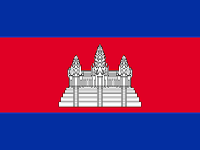
Teaching English in Cambodia gives educators an opportunity to work with English-language learners while experiencing the country's distinctive communities, culture, education system, and international connections.
Educators may encounter opportunities through schools, language programs, tutoring, professional English training, online instruction, and other settings depending on qualifications, local demand, and employer requirements.
Requirements and opportunities can change. Use the current Cambodia information below for timely details about employment conditions, salaries, visas, hiring expectations, and related considerations.
Teaching English in Cambodia: Quick Guide
- Location: Southeast Asia
- Common education settings: Schools, language programs, tutoring, professional English training, and online instruction, depending on the local market
- TESOL preparation: TESOL training can help educators develop practical English-language teaching skills
- Employment requirements: Qualifications, work authorization, experience, and employer requirements vary by position
- Current information: Review the dynamically updated section below for current job-market, salary, visa, and teaching information
Current Teaching English Information for Cambodia
Teaching English in Cambodia: Regional Updates and Teacher Demand
Cambodia remains an accessible and rewarding destination for qualified English teachers. English continues to play an important role in tourism, international business, hospitality, technology, and higher education, while families increasingly invest in private language lessons for their children. Demand is strongest in Phnom Penh, Siem Reap, and other growing urban centers, although opportunities also exist in provincial towns and coastal communities.
The market includes public and private schools, international schools, universities, language institutes, tutoring centers, corporate training programs, and volunteer or community education projects. Employers are looking for teachers who can support conversational fluency, examination preparation, academic English, and practical workplace communication. There is also growing interest in English programs connected to science, technology, entrepreneurship, and vocational training.
Hiring patterns can vary by season. Many schools recruit before the academic year begins, while language centers may hire throughout the year as enrollment changes. Competition is generally more manageable than in several other destinations in Southeast Asia, especially for applicants with a university degree, classroom experience, a recognized TESOL or TEFL qualification, and a professional attitude. Teachers who are flexible about location, age groups, and schedules can often find opportunities more quickly.
Requirements for Foreign English Teachers
Each employer sets its own standards, but a bachelor’s degree is commonly preferred and may be required by international schools or organizations following formal education regulations. The degree may be in any subject, although education, English, linguistics, and related fields can strengthen an application. Some language schools consider candidates without a degree, particularly when they have strong teaching experience and an accredited TESOL or TEFL certificate, but these positions may offer fewer benefits or narrower visa options.
A recognized English-teaching certificate is a valuable qualification. A course covering lesson planning, classroom management, grammar, teaching skills, and assessment helps demonstrate that you can deliver structured lessons rather than simply speak English. Native-level English is often requested, but fluent non-native speakers with clear pronunciation, excellent communication skills, and appropriate qualifications are also hired.
Typical application documents include a current resume, degree certificate, TESOL or TEFL certificate, passport copy, professional references, and a recent photograph. Employers may request a criminal background check, health examination, demonstration lesson, or interview by video call. Schools commonly expect teachers to arrive punctually, dress professionally, follow safeguarding policies, prepare lessons, assess learners, and communicate respectfully with families and colleagues.
Immigration and employment procedures should be handled with the hiring organization. Foreign teachers commonly enter on an ordinary, often called E-class, visa and then arrange the appropriate extension and work authorization. A visa alone does not automatically grant permission to work. Requirements, fees, and procedures can change, so applicants should confirm current rules with their employer, the relevant Cambodian authorities, or a qualified immigration professional. Do not begin employment until the school confirms that the necessary work permit and related documentation are in place.
How to Get Hired: A Practical Step-by-Step Guide
- Choose your preferred teaching pathway. Decide whether you want to teach young learners, teenagers, adults, exam classes, business English, or academic subjects. Consider whether Phnom Penh, Siem Reap, or a smaller community best matches your lifestyle and career goals.
- Earn a recognized qualification. If you need formal training, enroll in an American TESOL certification course to build practical classroom skills and add a respected credential to your application.
- Prepare a professional application package. Create a concise resume emphasizing teaching, tutoring, customer service, leadership, and cross-cultural experience. Include your certification, degree, references, availability, preferred age groups, and a professional photograph if requested. Prepare a short sample lesson and teaching philosophy as well.
- Research legitimate employers. Review school websites, education networks, recruitment platforms, and local teaching communities. Check the role’s schedule, salary, class size, curriculum, benefits, probation period, and visa or work-permit support. Be cautious if an employer requests large recruitment fees or refuses to provide a written contract.
- Apply consistently and interview well. Tailor each application to the school and explain how you would engage learners. During interviews, discuss classroom management, differentiated instruction, technology, and how you measure progress. Ask clear questions about payment dates, teaching hours, preparation time, holidays, and housing assistance.
- Use professional placement resources. For additional guidance and recruitment assistance, access job placement support and upload your resume. Keep your documents updated and respond promptly to potential employers.
- Verify the offer before relocating. Request a written agreement and confirm duties, compensation, start date, probation terms, leave, visa arrangements, and work-permit responsibilities. Bring original documents and certified copies where appropriate, and maintain emergency savings for your first several weeks.
Amazing Things to Do While Teaching in Cambodia
Living there offers far more than a job in the classroom. In Siem Reap, explore the temples of Angkor at sunrise, cycle through rural villages, and learn about Khmer history and architecture. Phnom Penh combines lively markets, riverside cafés, museums, galleries, and a growing restaurant scene. The capital is also a convenient base for meeting teachers from around the world and attending cultural events.
For a slower pace, visit the beaches and islands near Sihanoukville, or spend time in Kep and Kampot, known for seafood, countryside landscapes, pepper farms, and river activities. Nature lovers can explore Cardamom-region forests, national parks, waterfalls, and wildlife areas through responsible local tour operators. Weekend trips by bus or shared taxi make it possible to experience different regions without taking extensive time away from work.
Daily life can be equally memorable: practice Khmer phrases, sample amok and other local dishes, join a cooking class, celebrate Khmer New Year, and participate respectfully in community activities. Teaching English provides a chance to earn experience, build international friendships, and contribute to learners’ future opportunities while discovering a welcoming and culturally rich part of Southeast Asia.
Explore TESOL Courses to Teach in Cambodia



English Education Jobs in Cambodia
Prepare to Teach English in Cambodia
American TESOL Institute provides teacher training for educators interested in teaching English online and abroad. TESOL certification can help develop practical skills in lesson planning, language acquisition, classroom management, teaching methods, and educational technology.
Certification does not by itself guarantee employment, a visa, or work authorization. Hiring eligibility depends on the individual employer, position, qualifications, and applicable requirements. Learn more about American TESOL Institute accreditation and recognition, or explore optional TESOL job-placement support.
Explore English Language Schools in Cambodia
U.S. Embassy Information for Cambodia
1 Christopher Howes (96), Phnom Penh, Cambodia
Phone: 855 23-728-000