
Virtual Reality Total Physical Response (VR-TPR) for Immersive ESL Learning
VR-TPR
Integrating Total Physical Response (TPR) into virtual reality (VR) offers an innovative approach to ESL (English as a Second Language) education. VR-TPR leverages the immersive capabilities of virtual reality to enhance language acquisition through physical engagement and real-world contextual experiences. This technique provides students with an opportunity to learn English in a dynamic and interactive environment.
Immersive Language Learning: Students enter a virtual environment where English becomes the primary medium of communication. They are surrounded by native English speakers, signs, and interactive objects, creating a realistic linguistic context.
Physical Engagement: VR-TPR encourages students to use their body movements to express themselves, respond to commands, and interact with the virtual world. This hands-on approach enhances comprehension and retention.
Realistic Scenarios: Lessons are designed around real-life situations, allowing students to practice English in practical contexts, such as ordering food in a restaurant, navigating an airport, or attending a job interview.
Immediate Feedback: VR-TPR provides instant feedback by assessing students' body language, pronunciation, and responses to ensure accuracy and fluency. This immediate feedback accelerates the learning process.
Ordering Food at a Virtual Restaurant:
Objective: To improve conversational English skills for ordering food. Lesson: Students enter a virtual restaurant, browse the menu, and interact with virtual waitstaff. They must use English to order food, ask questions about the menu, and make special requests. Outcome: Students practice polite language, food-related vocabulary, and conversational fluency.
Airport Check-In and Security:
Objective: To enhance English proficiency for traveling. Lesson: Students find themselves at a virtual airport. They must communicate with virtual airline staff, navigate security procedures, and ask for directions. Real-time scenarios include check-in, passport control, and boarding. Outcome: Students develop language skills for travel, including asking for information, providing personal details, and understanding airport announcements.
Job Interview Preparation:
Objective: To build confidence in job interview situations. Lesson: Students participate in a realistic job interview simulation. They answer common interview questions, present their qualifications, and ask questions about the position. The VR environment includes various job interview settings. Outcome: Students practice interview-specific language, body language, and communication skills for professional success.
Everyday Shopping Experiences:
Objective: To improve conversational skills for shopping. Lesson: Students explore a virtual shopping district where they engage in various shopping scenarios, such as buying clothes, electronics, or groceries. They interact with virtual shopkeepers and fellow shoppers. Outcome: Students learn shopping-related vocabulary, bargaining, and practical negotiation skills.
VR-TPR represents a cutting-edge approach to ESL education by immersing students in authentic English language scenarios. This technique enhances language learning by combining total physical response with the immersive power of virtual reality. As technology continues to advance, VR-TPR holds the potential to revolutionize the way English is taught and learned, offering a dynamic, interactive, and effective language learning experience.
Key Features:
Immersive Language Learning: Students enter a virtual environment where English becomes the primary medium of communication. They are surrounded by native English speakers, signs, and interactive objects, creating a realistic linguistic context.
Physical Engagement: VR-TPR encourages students to use their body movements to express themselves, respond to commands, and interact with the virtual world. This hands-on approach enhances comprehension and retention.
Realistic Scenarios: Lessons are designed around real-life situations, allowing students to practice English in practical contexts, such as ordering food in a restaurant, navigating an airport, or attending a job interview.
Immediate Feedback: VR-TPR provides instant feedback by assessing students' body language, pronunciation, and responses to ensure accuracy and fluency. This immediate feedback accelerates the learning process.
Sample VR-TPR Lessons:
Ordering Food at a Virtual Restaurant:
Objective: To improve conversational English skills for ordering food. Lesson: Students enter a virtual restaurant, browse the menu, and interact with virtual waitstaff. They must use English to order food, ask questions about the menu, and make special requests. Outcome: Students practice polite language, food-related vocabulary, and conversational fluency.
Airport Check-In and Security:
Objective: To enhance English proficiency for traveling. Lesson: Students find themselves at a virtual airport. They must communicate with virtual airline staff, navigate security procedures, and ask for directions. Real-time scenarios include check-in, passport control, and boarding. Outcome: Students develop language skills for travel, including asking for information, providing personal details, and understanding airport announcements.
Job Interview Preparation:
Objective: To build confidence in job interview situations. Lesson: Students participate in a realistic job interview simulation. They answer common interview questions, present their qualifications, and ask questions about the position. The VR environment includes various job interview settings. Outcome: Students practice interview-specific language, body language, and communication skills for professional success.
Everyday Shopping Experiences:
Objective: To improve conversational skills for shopping. Lesson: Students explore a virtual shopping district where they engage in various shopping scenarios, such as buying clothes, electronics, or groceries. They interact with virtual shopkeepers and fellow shoppers. Outcome: Students learn shopping-related vocabulary, bargaining, and practical negotiation skills.
VR-TPR represents a cutting-edge approach to ESL education by immersing students in authentic English language scenarios. This technique enhances language learning by combining total physical response with the immersive power of virtual reality. As technology continues to advance, VR-TPR holds the potential to revolutionize the way English is taught and learned, offering a dynamic, interactive, and effective language learning experience.
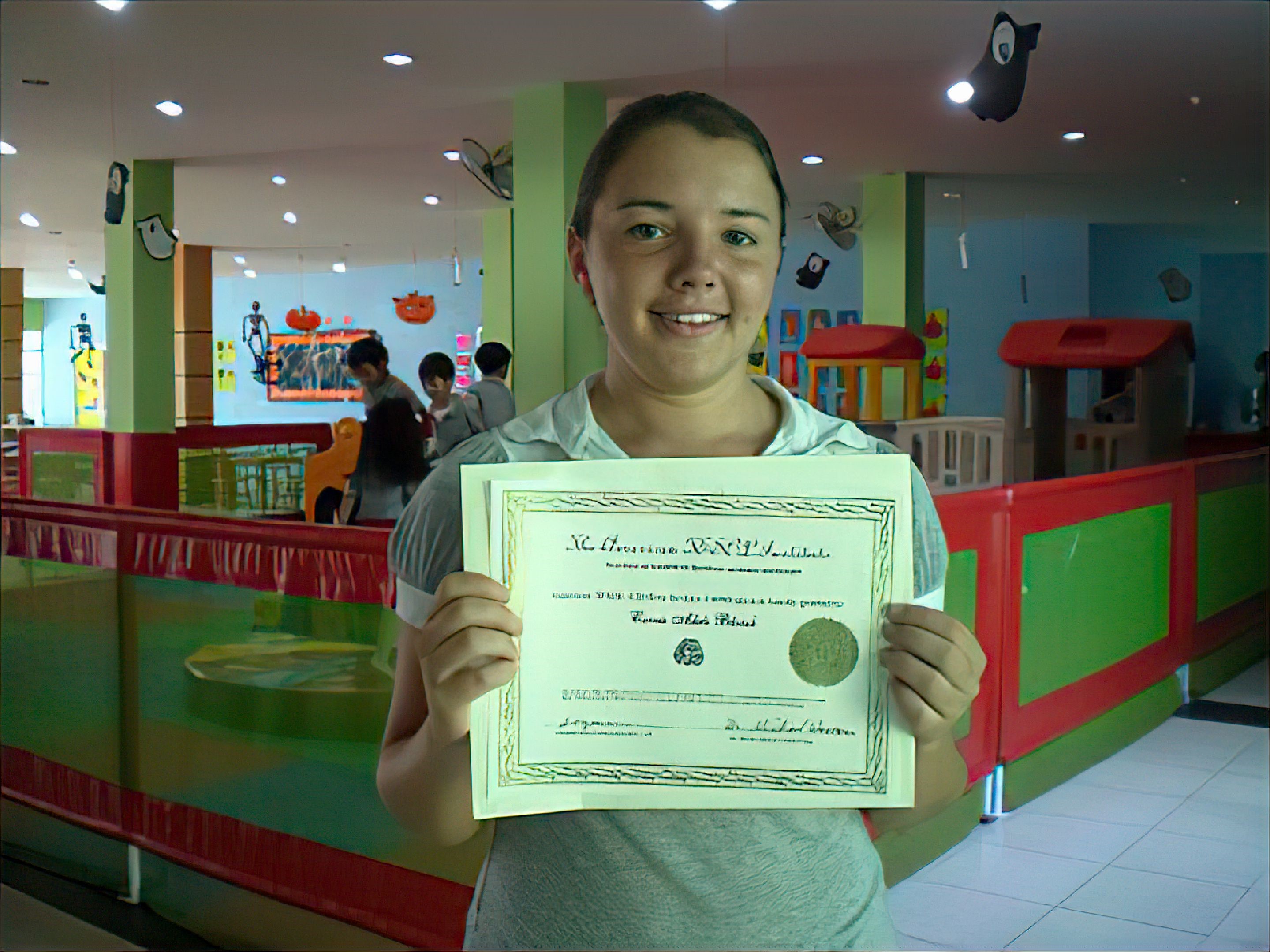
Careers in TESOL
Careers in TESOL (Teaching English to Speakers of Other Languages) offer a unique and fulfilling path for individuals passionate about language education and cross-cultural communication. TESOL professionals have the privilege of immersing themselves in diverse cultures, forging meaningful connections with students from around the world, and making a lasting impact on language learners' lives. Learning a new language empowers students to unlock countless opportunities, broaden their horizons, and achieve their dreams. By choosing a career in TESOL, you become a catalyst for transformation, shaping future leaders and fostering global understanding. Joining the American TESOL Institute, you step into a world of endless possibilities, where you can help learners rise higher, communicate lighter, and fall in love with the beauty of language.
American TESOL Certification
TESOL certification, or Teaching English to Speakers of Other Languages certification, is a credential that empowers educators to excel in the dynamic field of English language teaching. This certification equips teachers with the essential skills and knowledge needed to effectively instruct non-native English speakers. TESOL-certified educators gain proficiency in pedagogical techniques, curriculum development, and language assessment, enabling them to create engaging and impactful learning experiences. With TESOL certification, teachers open doors to exciting opportunities in language education, whether it's teaching English as a second language (ESL) in classrooms worldwide, guiding English language learners online, or shaping the future of English language education.